Selling Puts Earn Premiums Or Buy Cheap Stocks
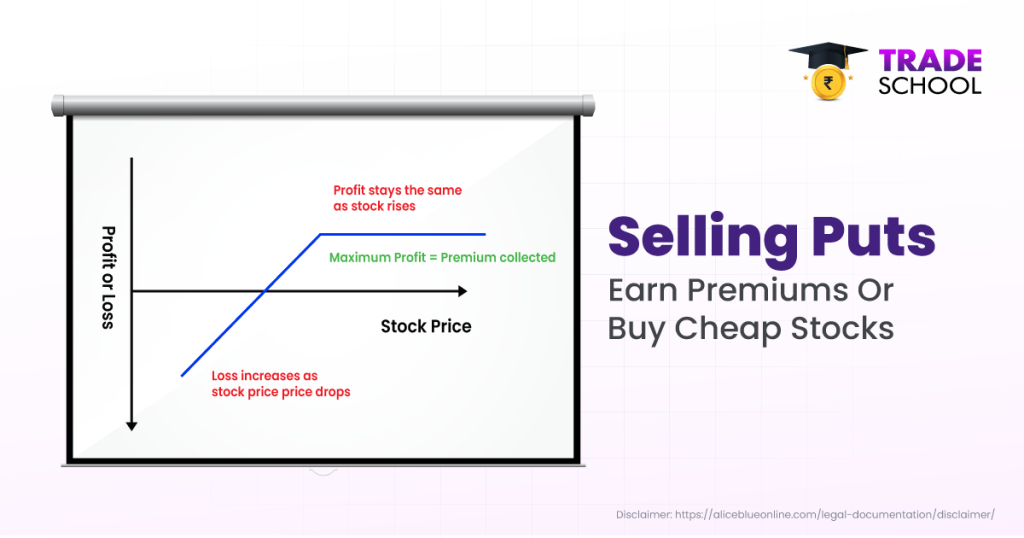
Selling puts earns premiums and agrees to buy stock at a set price if it drops. Ideal for those willing to own shares at lower cost while earning income.
Call Vs Put Options: Summary And Payoff Diagrams
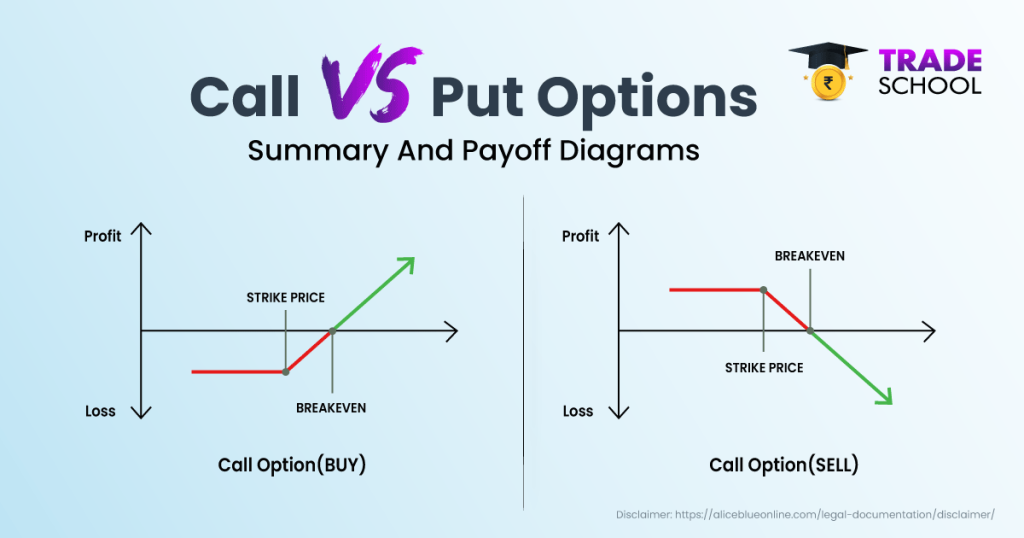
Call options gain from rising prices, puts from falling. Payoff diagrams show profit or loss, helping traders visualize risk and reward before taking a position
Selling Call Options: How It Works And The Risks
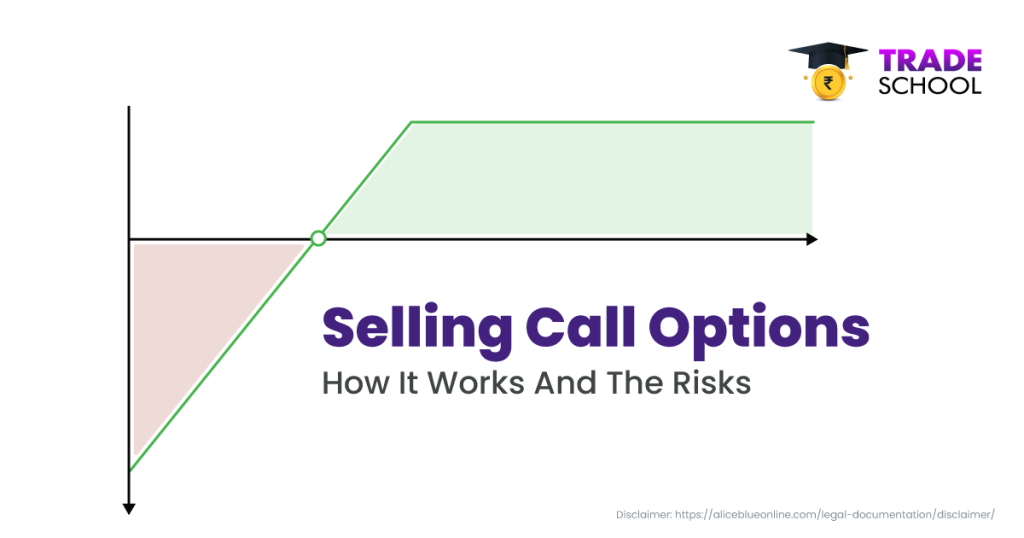
Selling call options earns premium income but gives others the right to buy your stock. If prices rise sharply, it risks unlimited losses beyond the strike price
Buying A Put Option: Protecting Or Profiting From Falling Prices
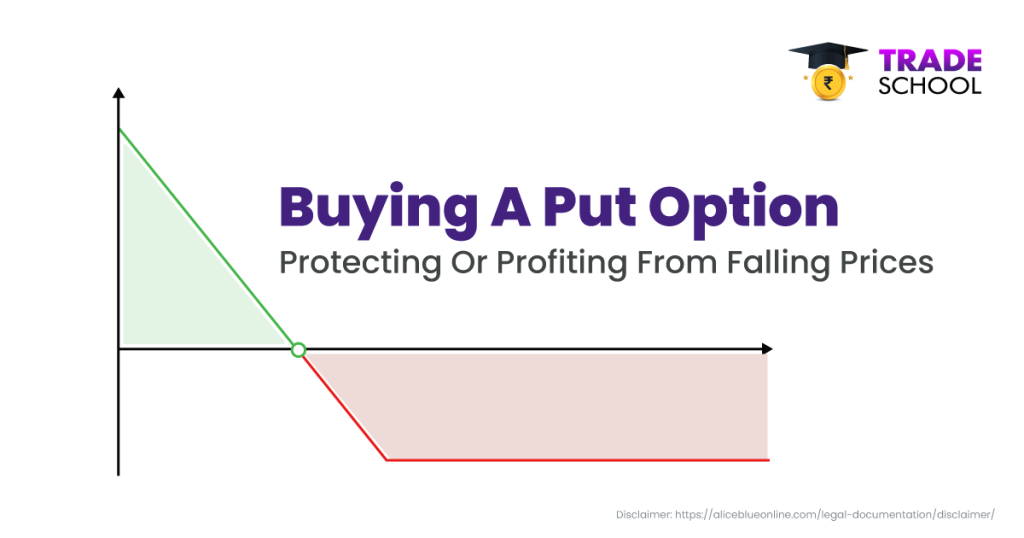
Buying a put option lets investors profit from price drops or protect holdings. It offers the right to sell at a set price, limiting risk with small upfront cost
How To Buy A Call Option And When To Use It
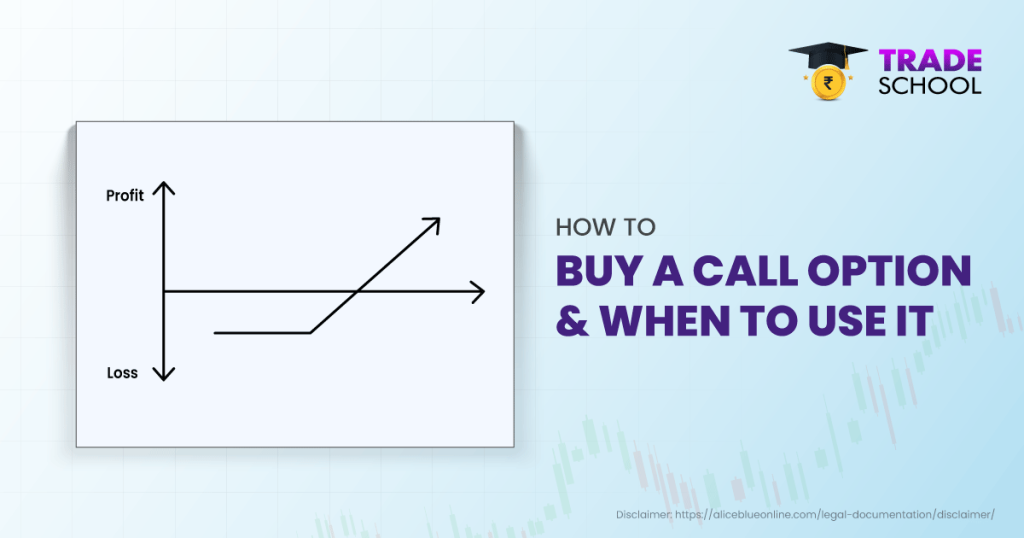
To buy a call option, pick a stock, strike price, and expiry, then place an order. Use it when expecting a price rise. Risk is limited to the premium paid.
Introduction To Options: Calls And Puts Simplified
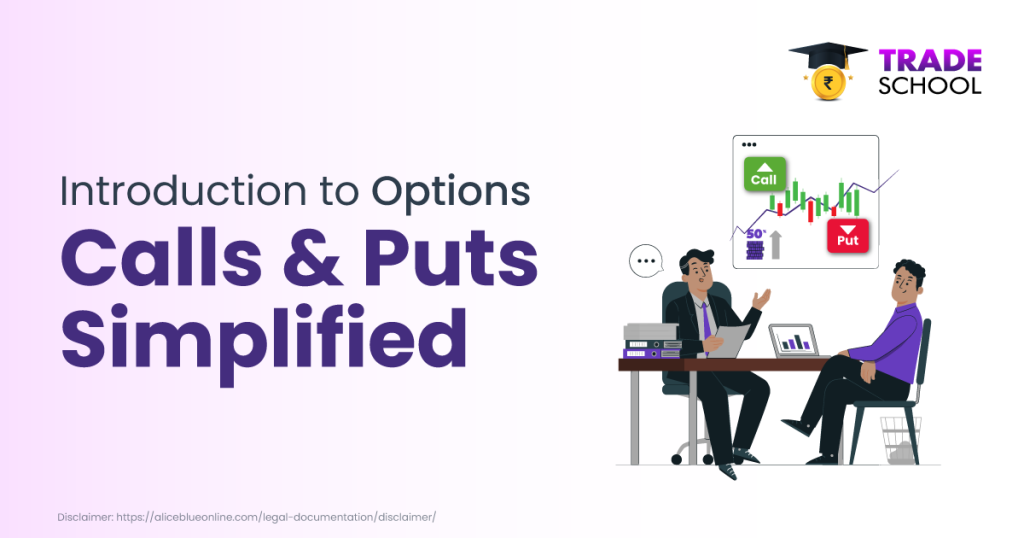
Options are contracts to trade assets at a fixed price by a set date. Calls allow buying, puts allow selling useful for managing risk or profiting from moves.
Understanding The Forward Market And Why Options Exist
Forward markets manage price risk via private deals. Options add flexibility, helping investors hedge or speculate while limiting losses and gaining from movements.
Essential Options Terminology Made Easy
Learn essential options terms easily: strike price, premium, expiry date, and in/out-of-the-money all key to understanding profit potential and trading basics.